Mortice locks vs. cylinder locks: what’s the difference, and which is right for your door?
When it comes to securing your home or business, the most common types of door locks are mortice and cylinder locks. Choosing the right lock isn’t just about convenience; it’s about real protection and peace of mind.
Two of the most common lock types across the UK are mortice locks and cylinder locks. They’re built differently, used on different door types, and offer different security benefits.
If you’re based locally in Doncaster or South Yorkshire and considering upgrading your door security, this guide explains the key differences in plain English so you can make an informed decision.
What is a mortice door lock?
A mortice lock is installed inside a pocket (called a mortice) cut into the edge of a wooden door. The lock body sits within the door itself, with only the faceplate visible. These locks are commonly operated with a key and are often paired with handles or knobs.
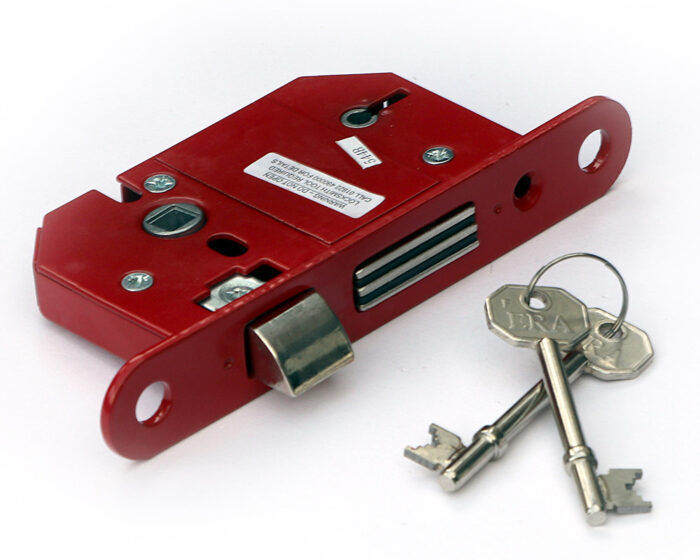
Mortice locks are typically rated by lever mechanisms (e.g., 3-lever or 5-lever), with higher lever counts offering stronger security. Many insurance providers require BS3621-approved 5-lever mortice locks for external wooden doors.
Advantages of mortice locks
- High physical security and deep installation make them difficult to force or tamper with
- Insurance compliance-approved models often meet policy requirements
- Strong resistance to drilling and picking (especially higher-quality models)
- Durability, robust internal components designed for long-term use
Disadvantages of mortice locks
- A more complex installation requires cutting into the door
- Less suitable for uPVC or composite doors
- Key replacement required if keys are lost (no simple cylinder swap)
- Higher fitting cost compared to some alternatives
What is a cylinder door lock?
Cylinder locks use a removable cylindrical mechanism that controls the locking action. They’re most commonly found in uPVC, composite, and modern doors, often as part of a multi-point locking system.
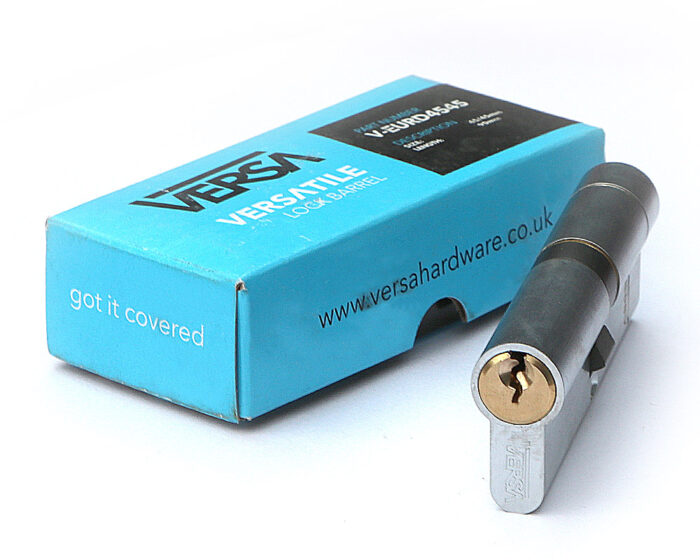
If keys are lost or security needs upgrading, the cylinder can be replaced without replacing the entire lock, making it a popular modern option.
Advantages of cylinder locks
- Easy replacement, the cylinder can be swapped quickly if keys are lost
- Convenient upgrades to anti-snap or anti-bump cylinders can improve security
- Common on modern doors that are compatible with multi-point locking systems
- Lower maintenance and installation effort
Disadvantages of cylinder locks
- Vulnerable to snapping attacks if low-quality cylinders are used
- Security varies widely by grade
- Exposed mechanism compared to internal mortice installation
- Cheaper models are easier to pick or drill
How can you tell which lock you have?
You can usually identify your lock type by checking the door material and key entry point.
- If the key goes into a large internal lock body fitted inside a wooden door, it is likely a mortice lock.
- If the key goes into a visible barrel on a uPVC door, it is almost certainly a cylinder lock.
- If you are unsure, a locksmith can confirm your lock type quickly and safely.
Frequently asked questions
Is a mortice lock safer than a cylinder lock?
Not necessarily. Both can be highly secure if they meet recognised British Standards such as BS3621 (mortice) or TS007 3-star (cylinder).
Can a locksmith replace just the cylinder?
Yes. In most cases, a locksmith can replace the cylinder barrel without changing the entire locking mechanism.
Do uPVC doors use mortice locks?
No. uPVC doors typically use multi-point locking systems that operate with a Euro cylinder lock.
Choosing the right door lock for your property
- Timber doors often benefit from robust mortice locks
- uPVC and composite doors typically require cylinder-based systems
- Security needs vary depending on location, usage, and risk level
The key factor isn’t just the lock type — it’s selecting the right grade and ensuring professional installation.
A professional inspection is the most reliable way to determine the best door lock for your specific situation.
Why a qualified locksmith should supply and fit your mortice and cylinder locks
Lock security depends on more than buying a product online. The professional assessment of a trained, experienced, professional local locksmith who will also carry out the installation makes a significant difference.
Correct lock selection
A qualified locksmith understands:
- Door construction
- Insurance requirements
- Risk factors specific to your property
- Security standards and compliance
This ensures you get the right lock, not just the most convenient one.
Proper installation
Incorrect fitting can weaken security, causing:
- Misalignment
- Reduced resistance to forced entry
- Premature wear
- Lock failure
Professional fitting ensures the lock performs as designed.
Genuine, mortice and cylinder lock tested products
Qualified locksmiths source:
- Certified hardware
- Properly graded cylinders and mechanisms
- Products with known performance standards
This reduces the risk of counterfeit or substandard components.
Need advice on door security?
If you’re unsure whether your current locks provide adequate protection, speaking to a local locksmith can help you understand your options without obligation.
Expert guidance ensures your property is secured with the right solution, fitted correctly, and built to last.

 01302 378067